
Trump Hit With Bombshell Study Revealing Reason for Staggering Cost Rises
A JPMorganChase Institute report exposes the toll of the president’s tariffs on consumers and businesses.

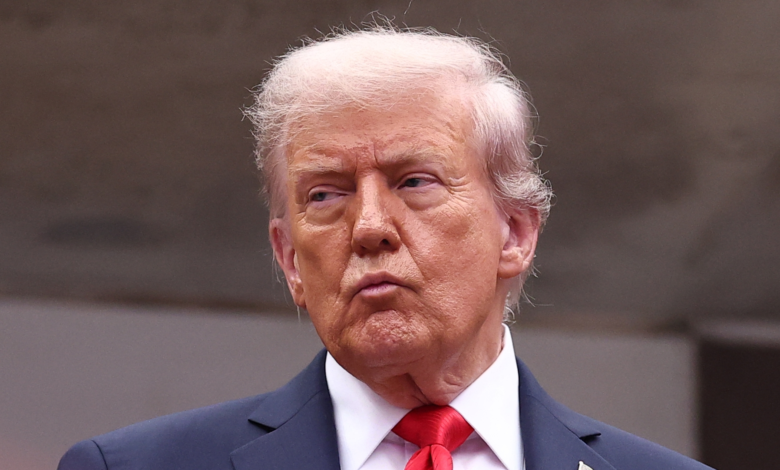
A detailed report reveals that the massive tariffs imposed by Donald Trump have forced American small and medium-sized enterprises (SMEs) to pass these costs on to American consumers.
An analysis by JPMorgan Chase concludes that the value of tariffs paid by SMEs has more than tripled since the beginning of 2025.
As a result, SMEs—which employ some 48 million people in the United States and contribute a third of the private sector’s GDP—have had to absorb these costs in other ways, including raising prices or accepting lower profit margins, according to the Associated Press.
“This is a significant change in the cost of doing business for them,” said Chi Mack, executive director of JPMorgan Chase and co-author of the report. “We are also seeing signs that they may shift away from trading with China and toward other regions of Asia.” “
JPMorgan Chase emphasized the importance of analyzing the impact of tariffs on medium-sized businesses (those with annual revenue between $100 million and $1 billion and fewer than 500 employees). Despite their significant role in trade, these businesses are often underrepresented in political debates and general statistics.
As the Financial Times noted, these businesses, which often have little leverage with their suppliers, were forced to continue importing foreign goods in 2025, even with tariffs 316% higher than before the election.
The report explains: “These businesses may be large enough to be key players at the local or regional level, but not large enough to easily offset losses in one area with gains in another. They may be more resilient to changes in trade policy than large corporations, but they do not have the same bargaining power.” In that sense, they may be more representative of typical American businesses.
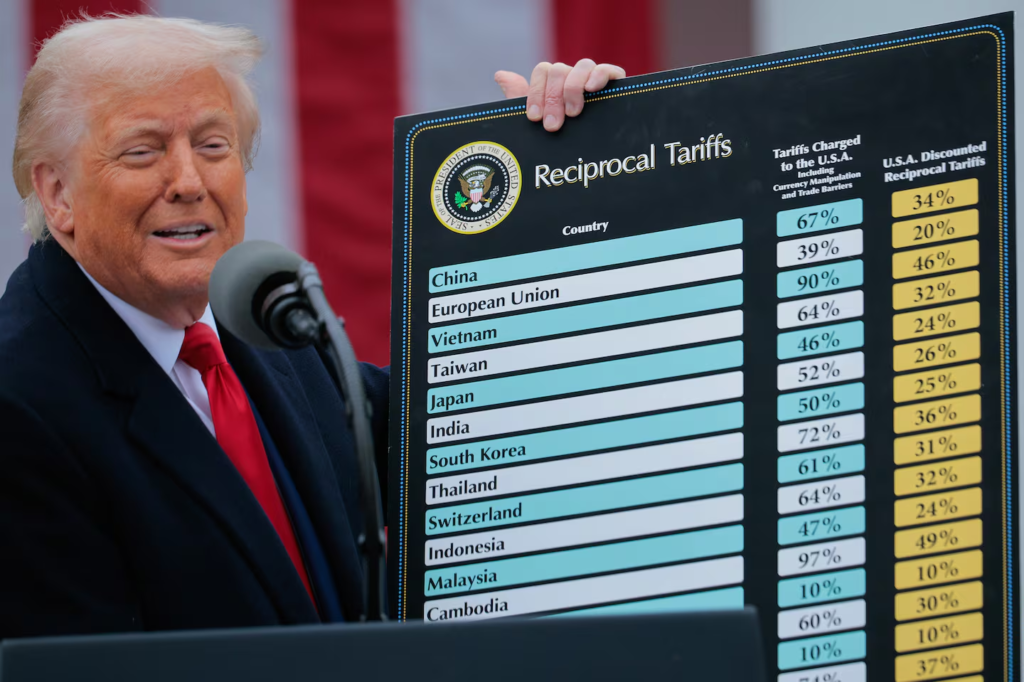
These findings are another blow to Trump’s claim that his tariffs, introduced on his “Liberation Day” platform, are borne primarily by foreign companies and not passed on to American consumers. The report also underscores ongoing concerns about the impact of Trump’s tariffs on the U.S. economy and the financial well-being of Americans.
Last week, a report from the Federal Reserve Bank of New York estimated that about 90 percent of the cost of the tariffs is being passed on to American consumers and businesses, rather than foreign exporters.
This conclusion drew sharp criticism from White House economic advisor Kevin Hassett, who called the report “disgraceful.”
“This is the worst report I’ve ever seen in the history of the Federal Reserve system,” Hassett told CNBC’s “Squawk Box.” “Those responsible for this report should be sanctioned for reaching such a partisan, media-influenced conclusion based on analysis that wouldn’t even be acceptable in an introductory economics course.”
Trump’s promise to lower food and consumer goods prices was a key factor in his victory in the 2024 election. The 79-year-old president had seen his popularity plummet for months as voters viewed his handling of the U.S. economy as a major concern.