
Secret Oval Office Warning That Trump Ignored Is Leaked
The president’s error could define his entire second term.

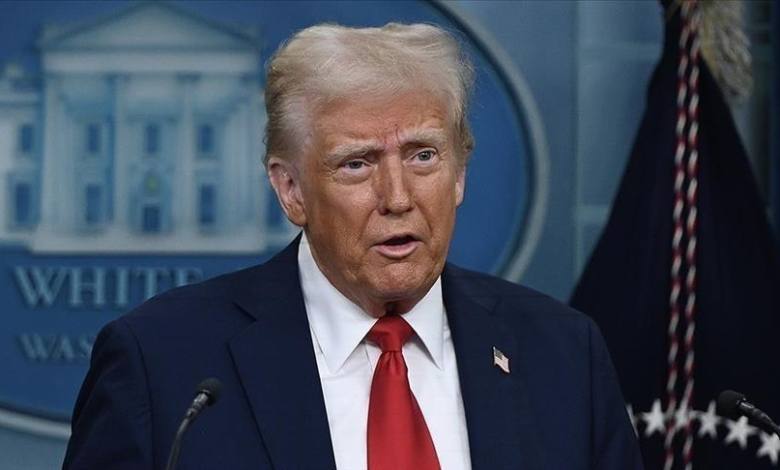
A report indicates that Donald Trump ignored several warnings from intelligence agencies regarding the potentially catastrophic consequences of launching a war against Iran.
Details of an Oval Office meeting held in February—leaked to the Wall Street Journal—reveal that the President sought advice on whether a large-scale attack aimed at dismantling Iran’s nuclear program and triggering regime change could succeed.
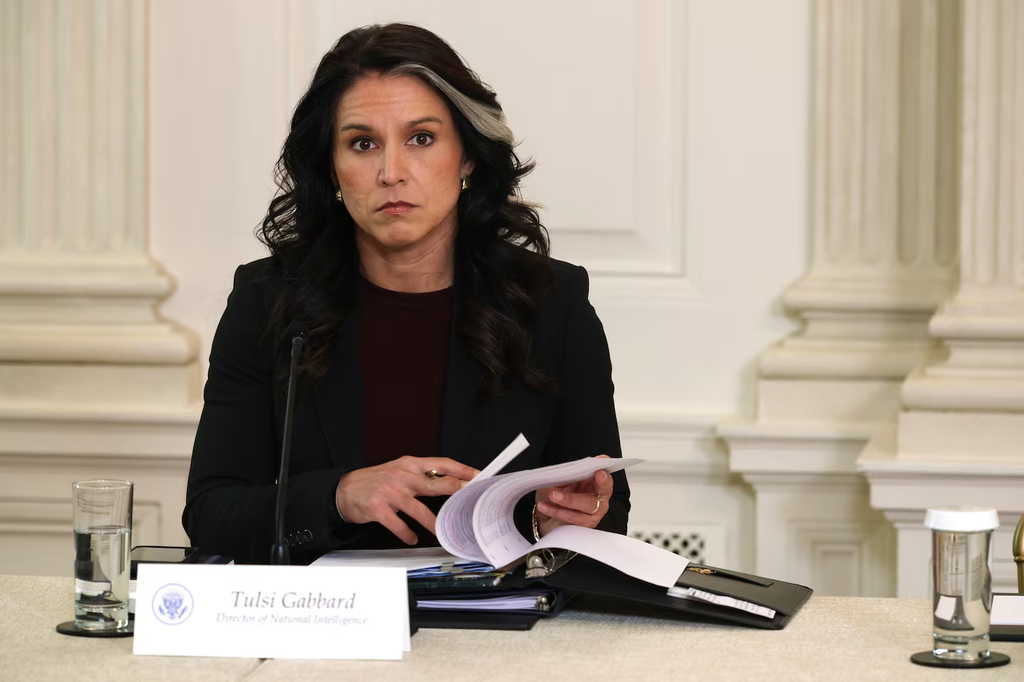
During that meeting, Tulsi Gabbard—who was then serving as Director of National Intelligence—informed Trump that any conflict in the Middle East would prompt Iran to close the Strait of Hormuz (a vital shipping lane) and disrupt global oil and energy markets. She also warned that eliminating Iran’s Supreme Leader would lead to a successor who would push Tehran even more aggressively to acquire nuclear weapons.
Trump had also received similar warnings from senior military officials, stating that a war with Iran would result in heavy casualties and significantly deplete U.S. ammunition stockpiles. Nevertheless, Trump joined Israel in launching an attack on Iran on February 28, and all predictions regarding the conflict came to pass.
Trump initiated this war—which faced widespread public opposition—believing it could be concluded within weeks; however, the conflict dragged on for nearly six months with no clear end in sight.
Eric Brewer, Vice President of the Nuclear Threat Initiative, told the newspaper: “All of this was anticipated and predicted. There is a direct link between waging a war without a clear political objective and the mismanagement of diplomatic efforts to end it.”
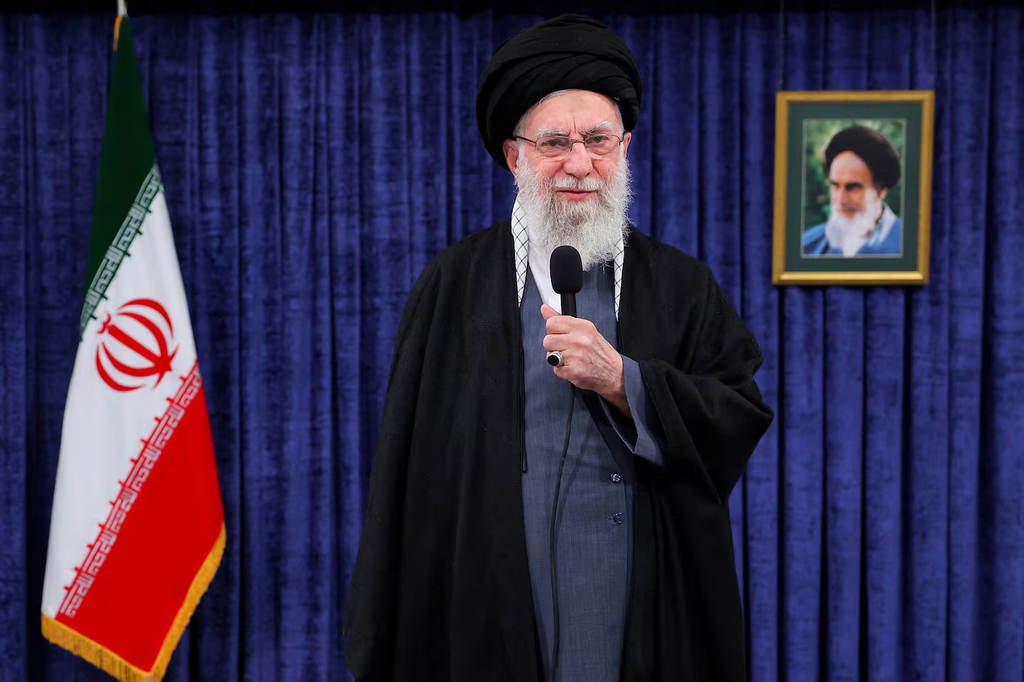
Reports indicate that Trump felt a strong sense of triumph early in the conflict after achieving one of his key objectives; during a fundraiser held on February 28 at his Mar-a-Lago estate, CIA Director John Ratcliffe and Trump’s special envoy Steve Witkoff informed the president that Israel had killed Iran’s Supreme Leader, Ali Khamenei.

Trump wanted Ratcliffe and Witkoff to share the news with the event attendees, sparking applause. Sources told the newspaper that the president—then 80 years old—then “crossed his arms and puffed out his chest” while basking in the praise and cheers.
However, this enthusiasm was short-lived; as the war dragged on and the Strait of Hormuz remained closed, leaders from Gulf nations—such as Saudi Arabia and Qatar—contacted the White House to urge an end to the conflict.
Furthermore, many Republicans warned Trump that the Middle East conflict—which had caused fuel prices to spike and resulted in the deaths of 18 U.S. soldiers—threatened to seriously jeopardize the Republican Party’s chances in the midterm elections.
According to some sources, Trump was privately furious about this negative feedback, asking his advisors why Iran had not capitulated despite the relentless bombing.
Even a friend of Trump urged the president to end the war; at that point, Trump wondered aloud whether he should “bomb Iran with devastating force” to bring the conflict to a close, the Wall Street Journal reports.
However, the friend advised against the idea, arguing that it would only drag the United States further into another “endless war” in the Middle East.
Conversely, the White House defended the war against Iran, hailing it as a success; it highlighted that Trump had inflicted heavy damage on Iranian military and nuclear facilities and was preparing to target Tehran’s economy by imposing a naval blockade and sanctions.
White House spokeswoman Olivia Wells stated: “Trump will never allow Iran to possess nuclear weapons.” She added: “It would be wise for Iran to reach an agreement; otherwise, they know full well what could happen.”