
SCOTUS Hit by Bombshell Leak of Secret ‘Shadow Docket’ Memos
The Supreme Court has increasingly relied on ruling on high-stakes policy through the “shadow docket.”

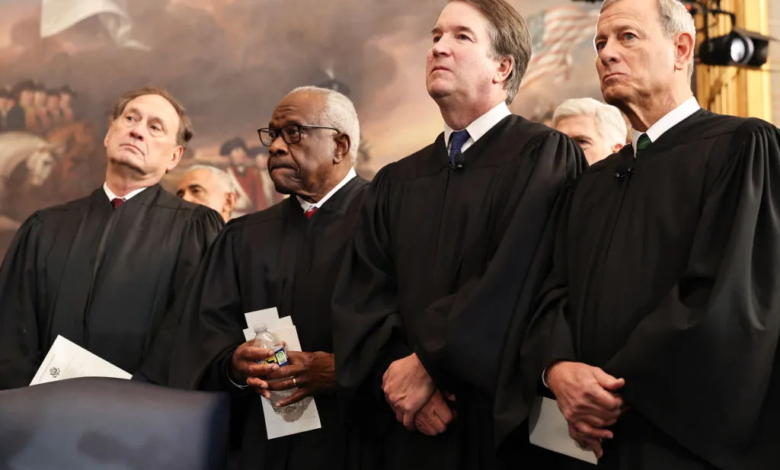
The origins of the Supreme Court’s secret “shadow docket” have been revealed, shedding light on how justices have bypassed traditional procedures to issue rulings.
A controversial new report published by The New York Times, based on internal memos, reveals how the Court used this schedule to decide crucial cases.
Historically, the shadow docket, also known as the emergency docket, was intended for urgent cases requiring swift action, but over the past decade, its use in public policymaking has increased.
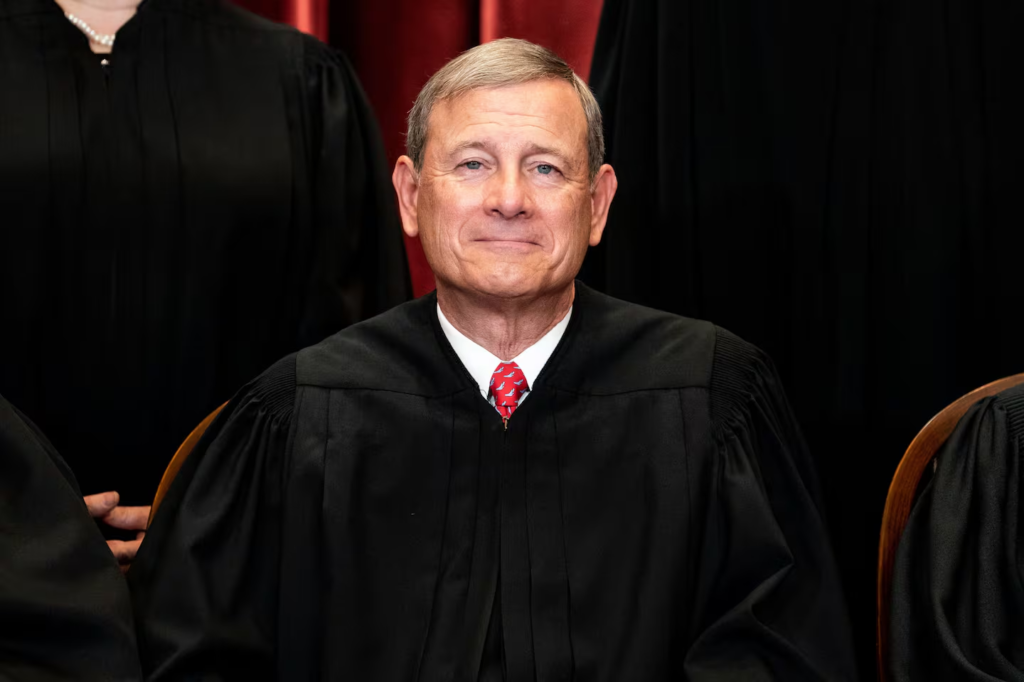
The shift in the use of the shadow docket reportedly began with the Supreme Court’s expedited ruling against Obama’s Clean Power Plan.
The report concludes that conservative Chief Justice John Roberts expedited West Virginia’s emergency request against the regulation while other justices were on leave for the Court’s annual winter recess.
This decision, which struck down former President Barack Obama’s landmark environmental policy, was issued before the case could even be heard in court. It was handed down one night in February 2016, without any judge’s signature, and consisted of only a single paragraph, accompanied by minimal explanation and commentary.
Some liberal justices attempted to block the entire decision, and internal memos indicate that Justice Elena Kagan strongly opposed this.

“I am deeply concerned by the exceptional nature of the measure sought in these petitions,” Kagan wrote in a memo to her liberal colleague, former Justice Stephen Breyer.
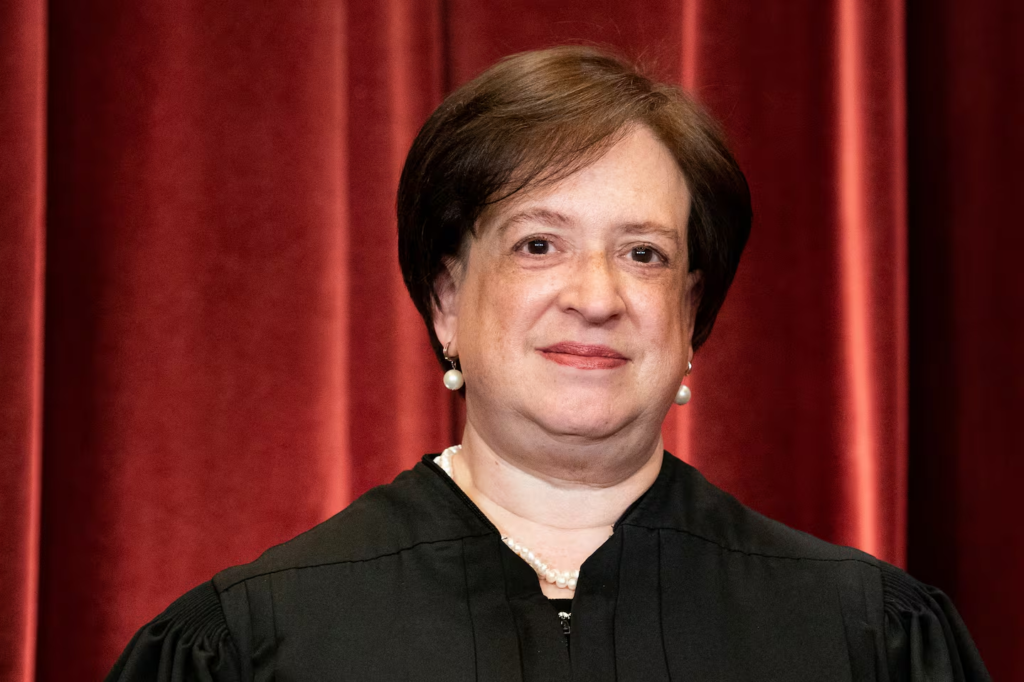
Conservative Justice Samuel Alito took a different approach. Internal memos reveal that he wrote: “Failure to block this decision threatens to undermine our ability to exercise effective judicial review, and thus our institutional legitimacy.” “
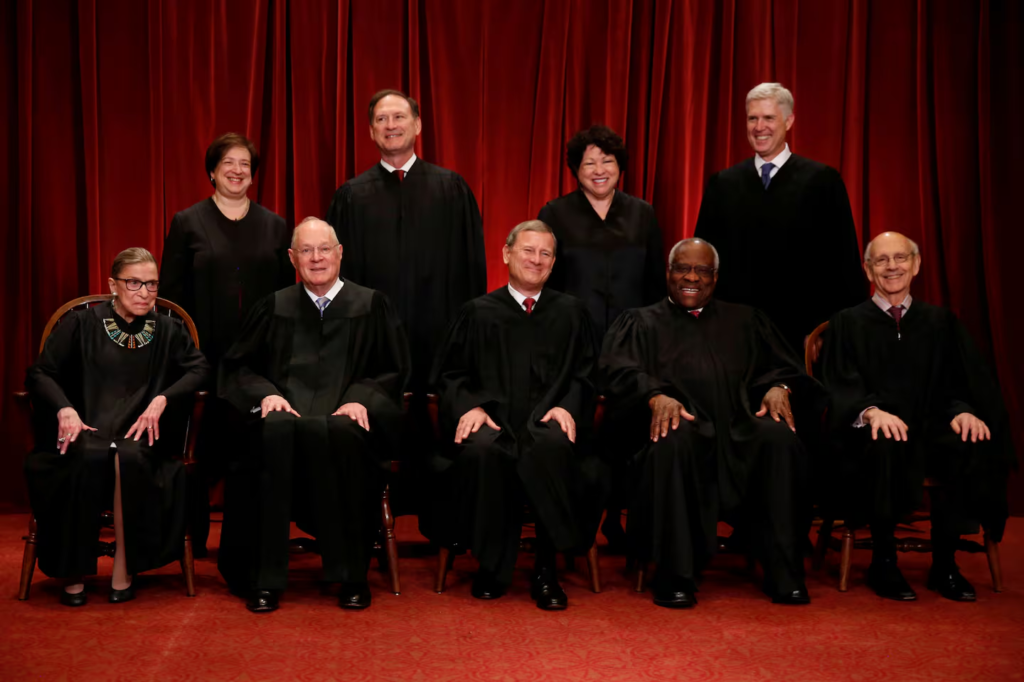
Ultimately, Justices Roberts, Alito, Clarence Thomas, Antonin Scalia, and the tie-breaking Justice Anthony Kennedy ruled against Obama’s law, just two weeks after West Virginia filed an emergency motion to suspend it.
Both sides acknowledged the unusual nature of this approach.
“This had never been done,” Elbert Lin, who was West Virginia’s solicitor general at the time, acknowledged to the Times.
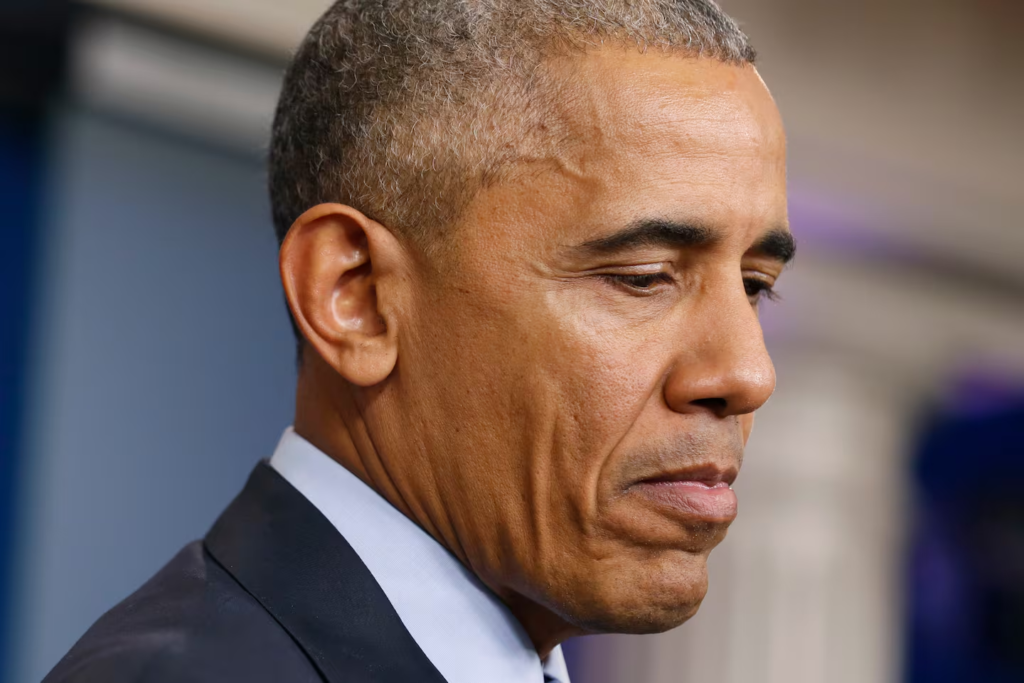
To the surprise of the liberal justices, the 2016 ruling has now become standard procedure for the Supreme Court.
The “shadow docket” has widely helped Trump push through his agenda throughout his second term.
Thanks to this timeline, the Supreme Court allowed the Trump administration to fire federal employees while lawsuits were pending in lower courts, and also upheld the ban on transgender people serving in the military while the proceedings were underway.
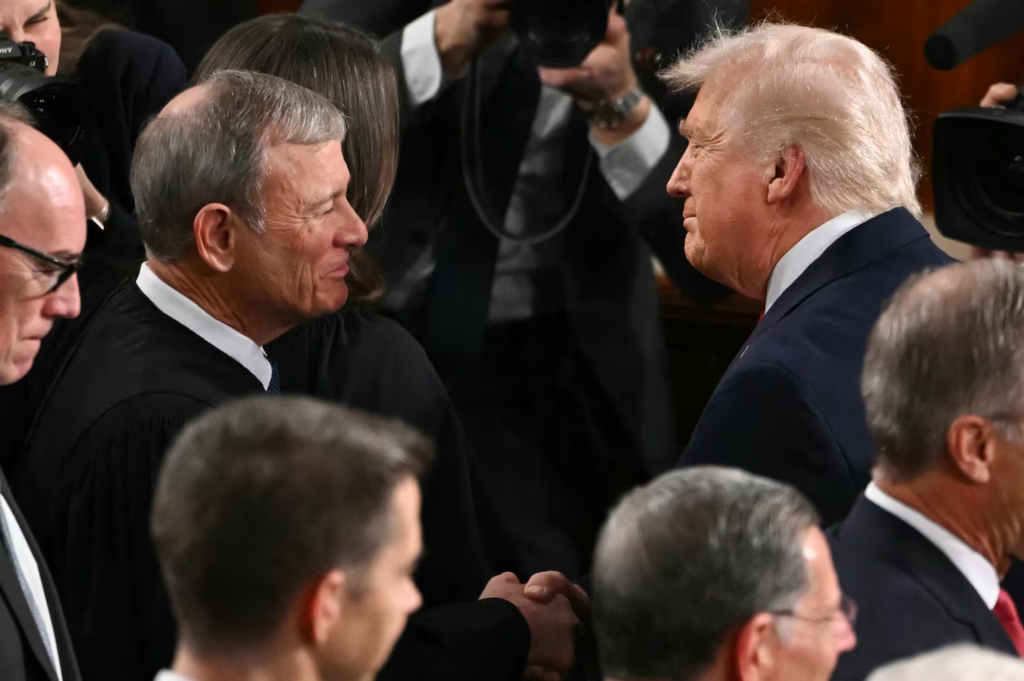
” The Supreme Court’s use of this shadow docket has been criticized for its lack of transparency: its rulings are often unsigned and frequently lack the detailed reasoning that characterizes traditional Supreme Court decisions.
Justices close to the libertarian camp have regularly warned against its use.
This week, Justice Ketanji Brown Jackson publicly criticized its use, recalling that when she was a law clerk at the Supreme Court in 1999, this emergency docket was used almost exclusively for death row inmates.
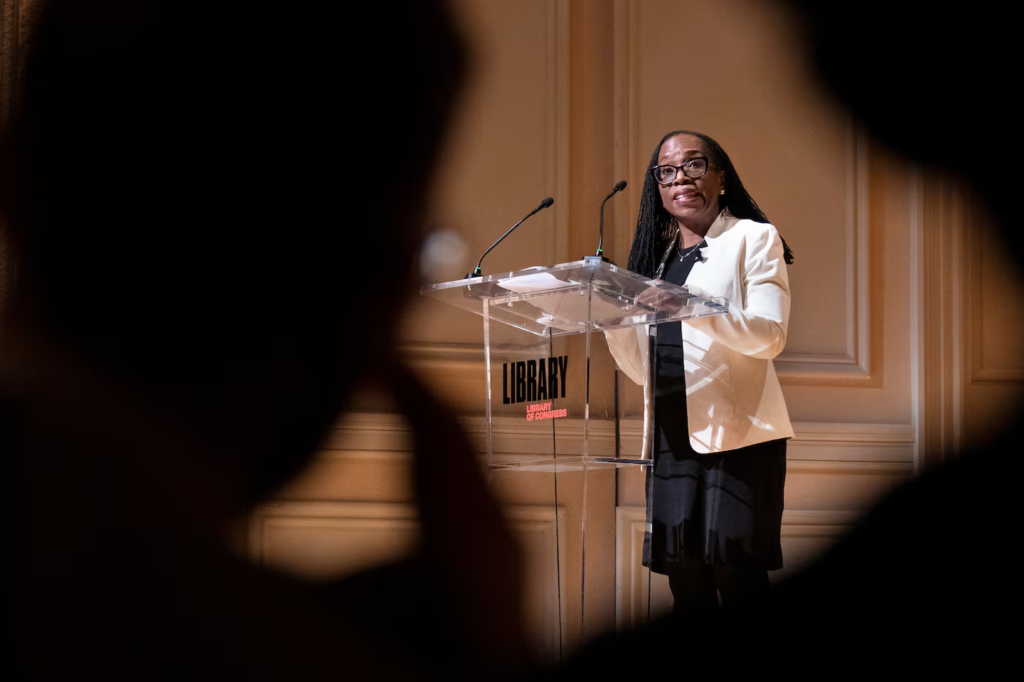
“It is important to avoid the Court becoming constantly embroiled in every politically sensitive issue in American life,” Jackson said in a speech Monday at Yale Law School.
“Today, the Court systematically chooses to insert itself into this debate, ignoring the damage caused by the U.S. Supreme Court, which continually and recklessly strips lower courts of their jurisdiction.”