
Keystone Kash’s Lawsuit Epically Backfires as More Sources Come Forward
The FBI director’s uphill climb just got steeper.

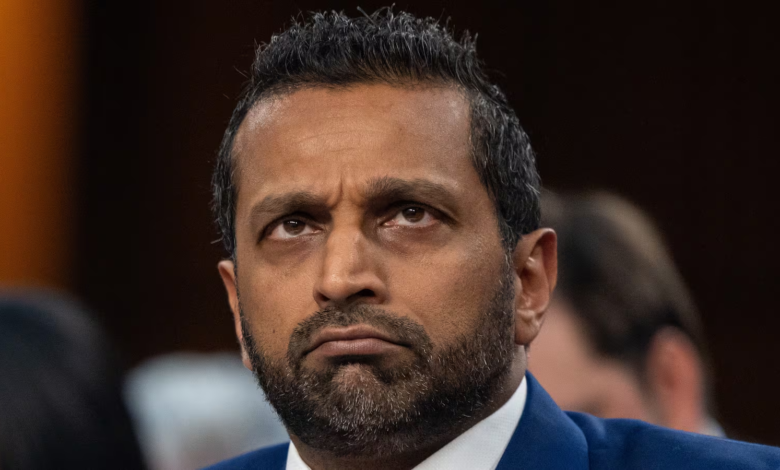
The lawsuit filed by FBI Director Kash Patel against The Atlantic magazine has taken a new turn.
Sarah Fitzpatrick, the journalist who published the controversial article describing Patel’s sources as paranoid and alcoholic, revealed Thursday that she has received a flood of testimonies from other well-informed sources ready to corroborate her claims.
“Since publishing that article, I have been inundated—literally inundated—with new sources, including some at the highest levels of government, providing me with information that confirms my claims,” she said.
If this proves true, Fitzpatrick and The Atlantic would have new arguments against Patel, who filed a defamation lawsuit against the magazine on Monday. He is seeking $250 million in damages.
The FBI did not respond to an emailed request for comment regarding Fitzpatrick’s latest statement.
A preliminary report published Friday by The Atlantic detailed an incident in which Patel allegedly had difficulty logging into an internal computer system a week earlier and panicked, believing he had been fired by President Donald Trump.
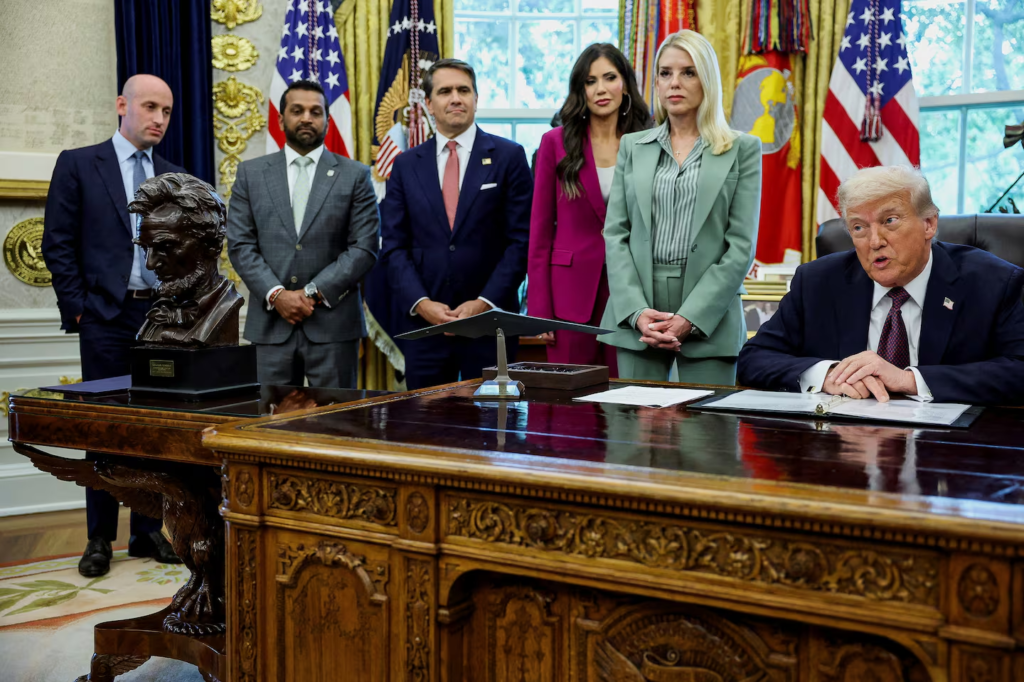
According to sources cited by the magazine, Patel then made frantic phone calls and revealed his fate, when in reality it was simply a technical problem preventing him from accessing the system. He remains FBI director.


Patel called The Atlantic’s account “malicious lies” and “nonsense.” However, his lawsuit acknowledges that he was indeed unable to access a government system that day, thus confirming a key detail of the report.
Fitzpatrick stated on Radio Atlantic that, according to sources, Patel’s drinking problems were an open secret in Washington.
She added, “This includes instances where he drank excessively, according to his colleagues, in public or semi-public places,” and subsequently, his bodyguards reportedly had difficulty contacting him behind closed doors.
She continued, “It was common knowledge within the FBI, the Department of Justice, and the White House that his bodyguards had difficulty contacting him privately. I think that’s what was causing concern within the security services.”
Fitzpatrick said she sensed genuine fear among the sources who informed her of Patel’s alcoholism allegations and unexplained absences, to the point that they risked their jobs to testify. She stated that Patel was “very vindictive” and would lash out at anyone who spoke out against him in the press.

“These people I spoke to are not easily angered,” she said of her sources. “They don’t tend to exaggerate. They never want to talk to a reporter, and they were worried.”
She added, “I had numerous conversations where I sensed a certain level of panic, even agitation, in grown men who had worked exclusively in counterintelligence and solved some of the most heinous crimes. These are not men who are easily intimidated, frightened, or worried; they were terrified.”
Fitzpatrick added that she stood by “every word” of her shocking report.
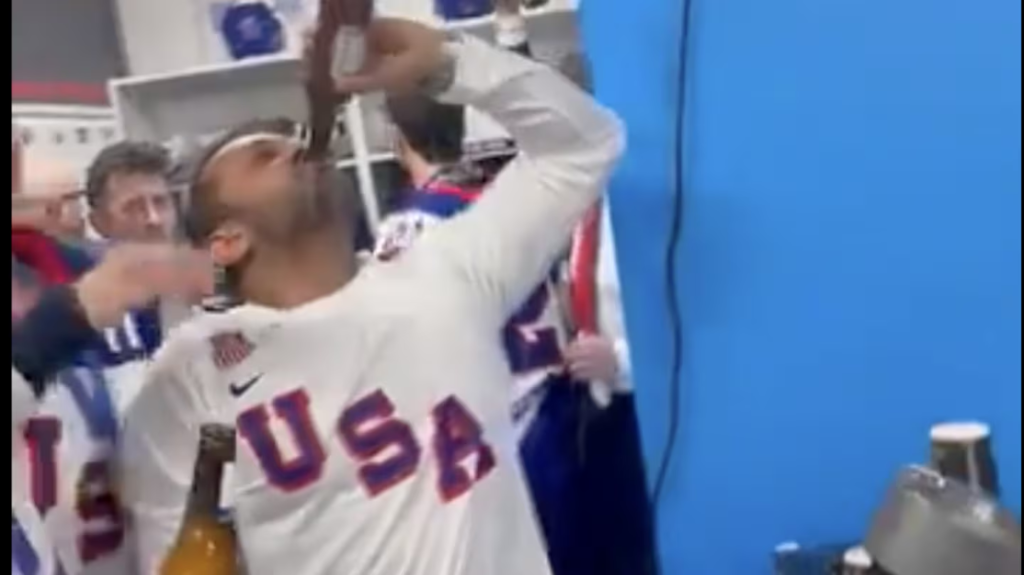
So far, Trump has publicly defended Patel, but sources familiar with the matter told CNN that he complained about Patel’s behavior during the Winter Olympics, including his gulping down a beer in the locker room after the U.S. men’s ice hockey team won the gold medal.
John Sullivan, a former FBI executive and intelligence analyst who retired during Patel’s first few months as director, said on The Daily podcast that the 46-year-old director was so obsessed with his public image that he was willing to divert resources from other FBI departments to improve it.
Sullivan claimed that Patel was wasting “resources, time, money, and energy” on his social media videos to project an image of strength at the start of the “Make America Great Again” campaign.
“For many, myself included, these videos seemed completely childish,” Sullivan added. “The FBI director, its head, portrays the organization in a childish way. The work we do and have done, on the other hand, is very serious.”