
Top Ally Rages After Trump Endorses Geopolitical Bombshell
The president casually pushed for a major upheaval for the United Kingdom.

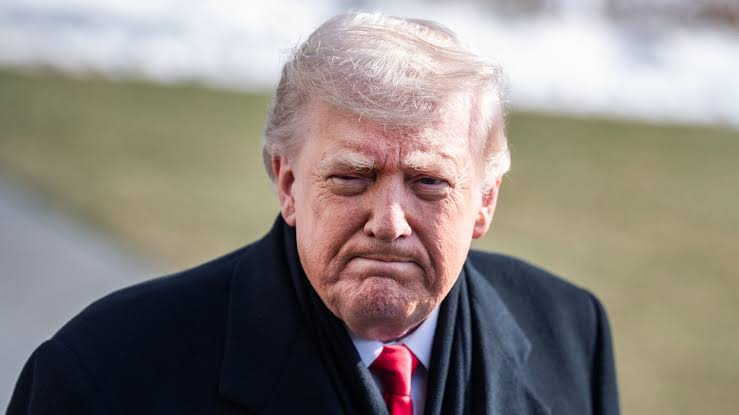
Donald Trump used his visit to Ireland to fan the flames of a decades-long conflict that found an uneasy truce in a 1998 peace deal.
At a press conference in Dublin on Saturday, the president—aged 80—stated that the Republic of Ireland should reunify its territory with Northern Ireland, which is part of the United Kingdom.
“Well, I don’t want to cause any problems, but I will tell you I’d love to see it unified. I think it would be a great feather in everybody’s cap if that happened. It’s going to happen eventually,” Trump said, responding to a question from a reporter.
He went on to indicate that he and Irish Prime Minister (Taoiseach) Micheál Martin—seated beside him—were seriously discussing the matter, describing Martin as “the ideal person here to move this issue forward.”
It is worth noting that the official U.S. stance on Irish reunification is one of neutrality, whereas Trump’s remarks showed a clear bias.
Trump continued to back the idea of reunification: “I think it would be great. Of course, the UK would have a say in the matter, but I think it would be an excellent thing. I mean, how could it be a bad thing?”
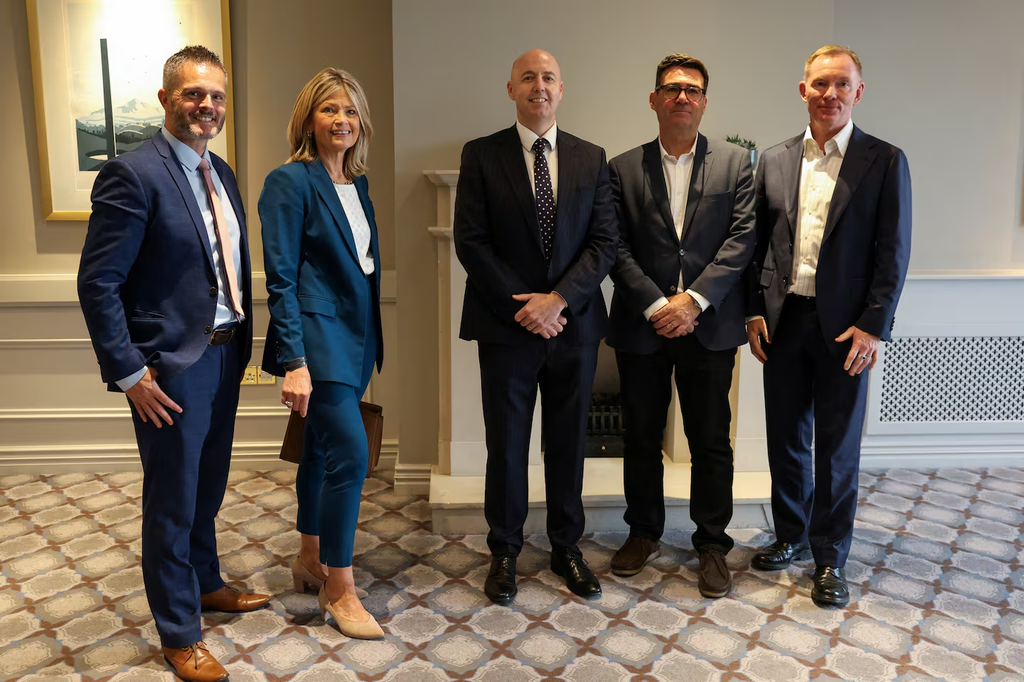
These statements sparked a wave of objections across the political spectrum in the UK.

Earlier in the week, British Prime Minister Andy Burnham had stated that there was no clear consensus on holding a referendum regarding reunification.
Burnham did not comment directly on Trump’s idea; his spokesperson referred the media to his previous statement.
But UK Conservative Party leader Kemi Badenoch jumped on X to respond, accusing Trump of “shooting from the hip as usual.”
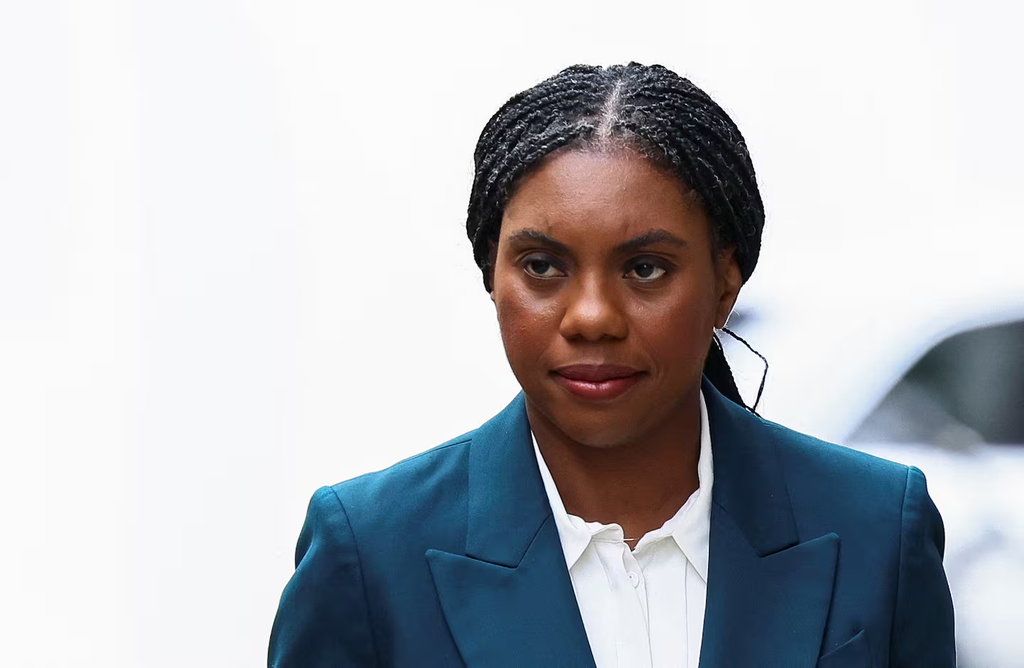
She stated: “Such reckless remarks about the future of democracies serve no public interest; they only create unnecessary tensions.”
She added: “Northern Ireland is part of the United Kingdom. At a time when separatists are in power in Scotland, Wales, and Northern Ireland, we need a government that defends the Union with clarity and confidence.”
Trump’s statements also sparked similar dissatisfaction among political leaders in Northern Ireland. Jim Allister, leader of the Traditional Unionist Voice (TUV) party, stated on X: “Northern Ireland is not a bargaining chip in the dispute between Trump and the United Kingdom. Our constitutional future depends neither on him nor on any other foreign figure.”
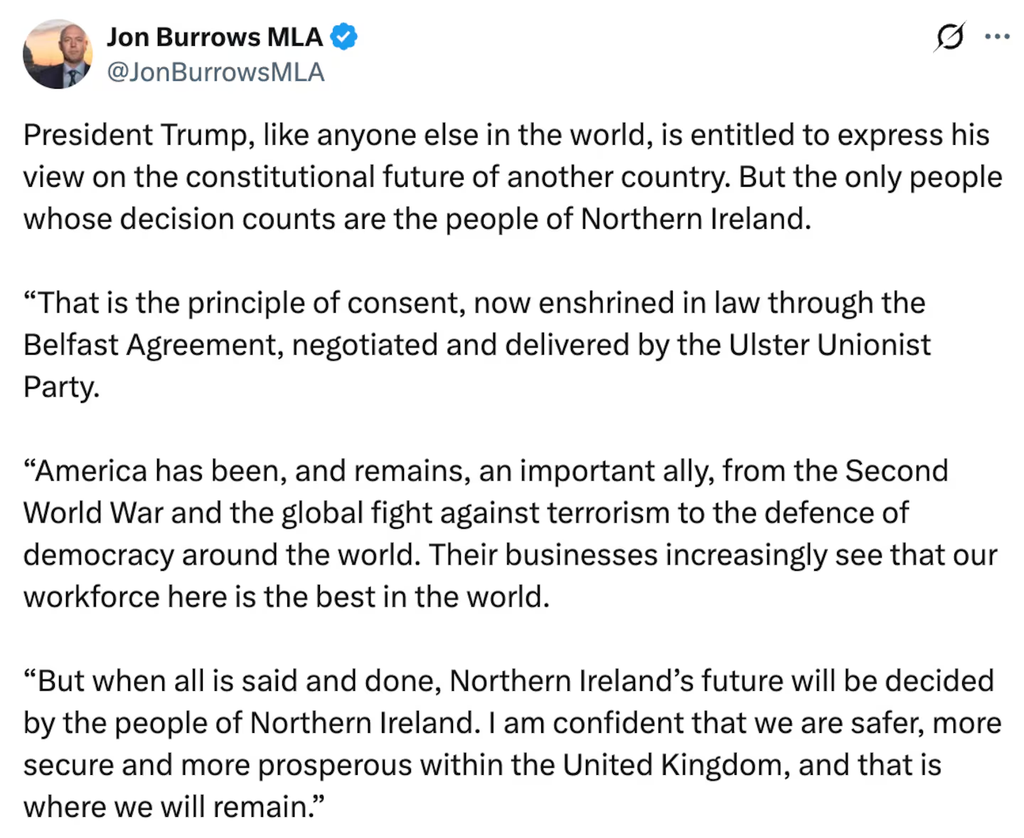
For his part, John Beattie, leader of the Ulster Unionist Party (UUP), asserted: “The only people whose decision matters are the people of Northern Ireland.”
Beattie wrote on X: “Ultimately, Northern Ireland’s future will be determined by the people of Northern Ireland themselves. I am convinced that we are safer, more stable, and more prosperous as an integral part of the United Kingdom, and that is where we will remain.”
Finally, Mary Lou McDonald, leader of the Sinn Féin party, quickly reacted to Trump’s remarks, stating that “the debate on Irish unity has changed trajectory.”
The BBC reported his remarks as follows: “We have established peace, and as we approach the thirtieth anniversary of the Good Friday Agreement, our national trajectory is now moving towards reunification—a process intended to be orderly, planned, and peaceful.”
It is worth recalling that the 1998 Good Friday Agreement established a fragile peace in a deeply divided country, following three decades of violent conflict over Irish sovereignty.
The agreement stipulates that reunification can only take place if a majority of the population in Northern Ireland wishes to hold a referendum on the matter; should the outcome be favorable, a similar vote would also be held in the Republic of Ireland.