
Federal judge orders Epstein grand jury documents unsealed as DOJ nears deadline to release files
The public will finally see insight into an abandoned probe of Jeffrey Epstein from nearly two decades ago.

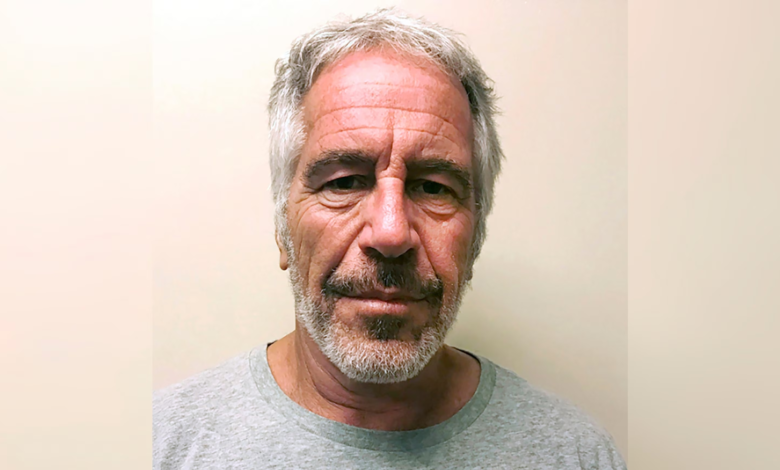
A federal judge in Florida has ordered the release of grand jury documents related to the investigation of convicted sex offender Jeffrey Epstein. This is the first in a series of expected rulings regarding the release of grand jury documents in cases involving the late financier.
District Judge Rodney Smith ordered the release of documents from the 2005 and 2007 grand jury investigations. He had initially denied the request but reversed his decision Friday after President Donald Trump approved a measure requiring the Justice Department to release all files in its possession.
Judge Smith’s order, issued by a Trump appointee, does not set a deadline. The Justice Department must release the files it holds—excluding documents presented to the grand juries that considered the indictments of Epstein and his accomplice Ghislaine Maxwell—by December 19.
Separate requests are currently underway for the release of grand jury documents from New York, where Epstein died in prison in 2019 while awaiting trial on sex trafficking charges. Another judge is considering releasing grand jury documents in the case of Ghislaine Maxwell, who is serving a 20-year prison sentence for recruiting and manipulating young women and girls in connection with Jeffrey Epstein.
These requests are still under review.

Maxwell’s lawyers argued this week that releasing the grand jury files could complicate her already compromised bid for a new trial.
They wrote: “Releasing the grand jury documents, which contain unsubstantiated and unproven allegations, would create such a bias that it would preclude a fair new trial,” even if she were to succeed. The lawyers for Annie Farmer, who testified under oath that Maxwell manipulated and sexually assaulted her when she was a teenager, sent a letter this week to the judges presiding over the cases, warning them that any refusal to release these documents “could provide a pretext for others to continue concealing crucial information about Epstein’s crimes.”
They wrote: “Epstein’s victims have been denied justice for far too long by multiple administrations across the political spectrum. To date, the government has investigated only Epstein himself and one of his associates, Ghislaine Maxwell, and there is no indication that the Department of Justice (or any of its agencies) is taking action against Epstein’s other close associates, despite congressional investigations and public reports concerning the financial infrastructure of his sex trafficking ring.”
In July, the U.S. Justice Department decided that “no further disclosure” in the Epstein case would be “appropriate or warranted,” sparking public outrage and fueling accusations that the government was covering up Epstein’s connections to a wider network of influential figures—including Trump—who were allegedly involved in a sex trafficking conspiracy.
Last month, the president reluctantly agreed to sign a congressional resolution demanding that the Justice Department release all investigative materials in its possession related to the Epstein case.
The documents in Florida stem from a neglected federal case against Epstein, which resulted in what critics called a plea bargain with the state and a short prison sentence.
In 2006, a Palm Beach grand jury indicted Epstein on a single count of soliciting prostitution, a crime carrying a reduced sentence. The case was then turned over to the FBI. In 2007, the U.S. Assistant Attorney General drafted an indictment containing 60 charges against Epstein, along with a memorandum detailing the evidence against him.
The U.S. Attorney General at the time, Alex Acosta, negotiated a controversial plea deal for Epstein. Epstein pleaded guilty to two state charges, accepted a prison sentence, and was registered as a sex offender in exchange for the dismissal of federal charges.
Epstein subsequently pleaded guilty to the two state charges: soliciting prostitution and enticing a minor under the age of 18 into prostitution. He was released after serving less than 13 months in prison.