
Leak Reveals True Damage of U.S. Embassy Strike Was Hidden
Sources say it would have been a “mass casualty event” if it had occurred a few hours later.

A new report claims that an Iranian strike targeting the U.S. Embassy in Saudi Arabia was far more serious than previously disclosed.
Senior U.S. officials—both current and former—told The Wall Street Journal that two drone strikes aimed at the embassy—located within Riyadh’s fortified diplomatic quarter—breached its walls and sparked a fire that took half a day to extinguish.
One source stated that parts of the embassy building were rendered irreparable due to the extent of the damage sustained; Saudi authorities, by contrast, had reported that the damage was merely minor.
Indeed, according to officials who requested anonymity, the attack—which occurred on March 3—could have turned into a “catastrophe with heavy loss of life” had it taken place during official working hours, rather than around 1:30 a.m. Reports indicate that the first strike punched a hole in the complex’s perimeter wall, before a second drone flew through the breach and exploded inside.
The details disclosed by these officials paint a radically different picture from the one made public.
Rather than describing the incident as a fire that raged for hours and threatened to kill or injure Americans, Saudi authorities simply characterized it as a limited blaze. Furthermore—according to the newspaper’s reporting—no mention was made of the fact that three separate floors sustained damage as a result of the strike.
The sources added that, among the areas hit by the strike, was a facility belonging to the Central Intelligence Agency (CIA).

In this context, Bernard Hudson, the former director of the CIA’s Counterterrorism Center, told the Wall Street Journal: “Total silence has been imposed regarding the true extent of the damage sustained by these sites. This fuels suspicions that the actual damage may have been far more significant than what has been publicly disclosed.”
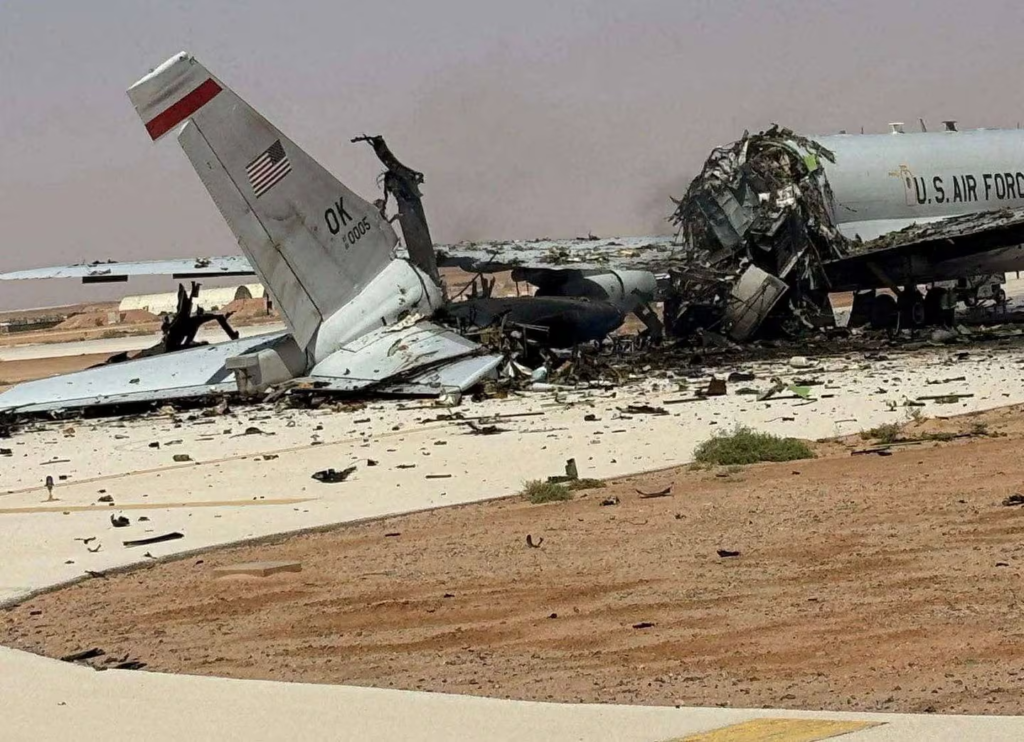
While two drones managed to breach Saudi defenses, the newspaper reported that other drones were shot down in the early hours of March 3, with their debris crashing near a daycare center.It is believed that one of these drones was targeting “the residence of the top U.S. diplomat in Saudi Arabia, located just a few hundred feet from the embassy building.”
The newspaper suggested that this strike was likely intended to send a “message” to Washington, noting that it demonstrated that “Iran is capable of targeting Americans in places they believed to be safe and secure.”
A spokesperson added: “The Diplomatic Security Service regularly assesses threats and adapts security protocols at U.S. diplomatic missions around the world; we also work closely with our host-country partners to protect our personnel and facilities.”
Immediately following the attack on the embassy, President Donald Trump had vowed to launch swift reprisals.
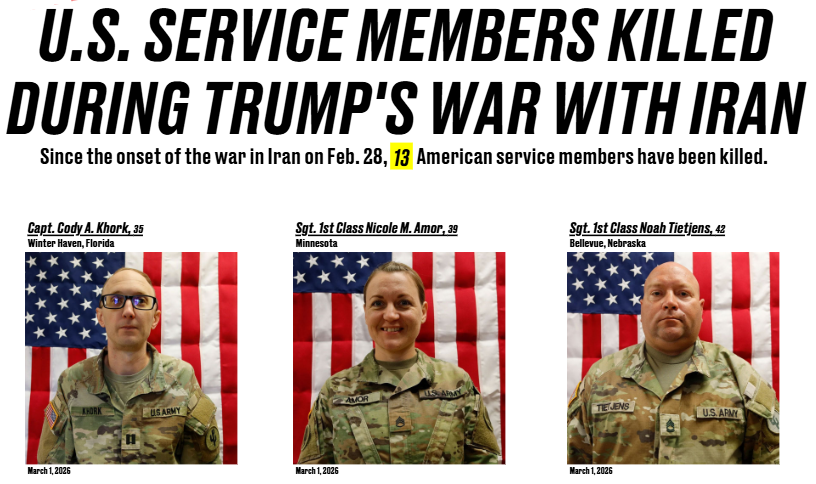
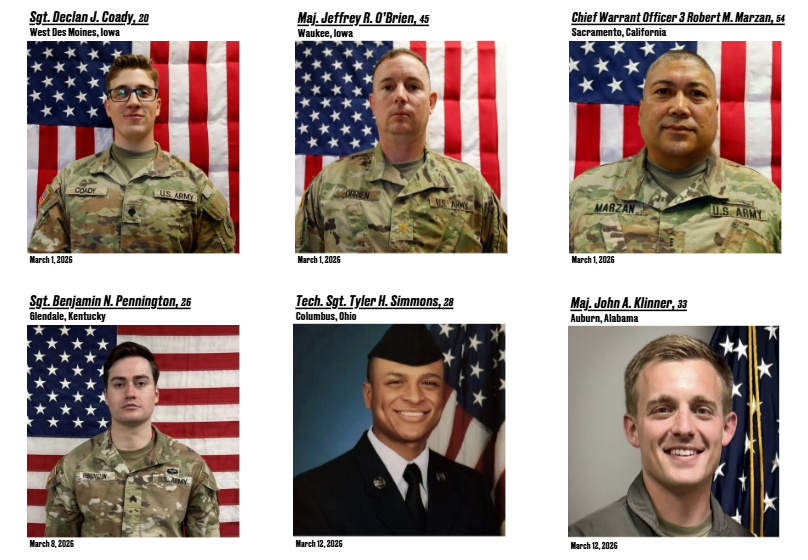
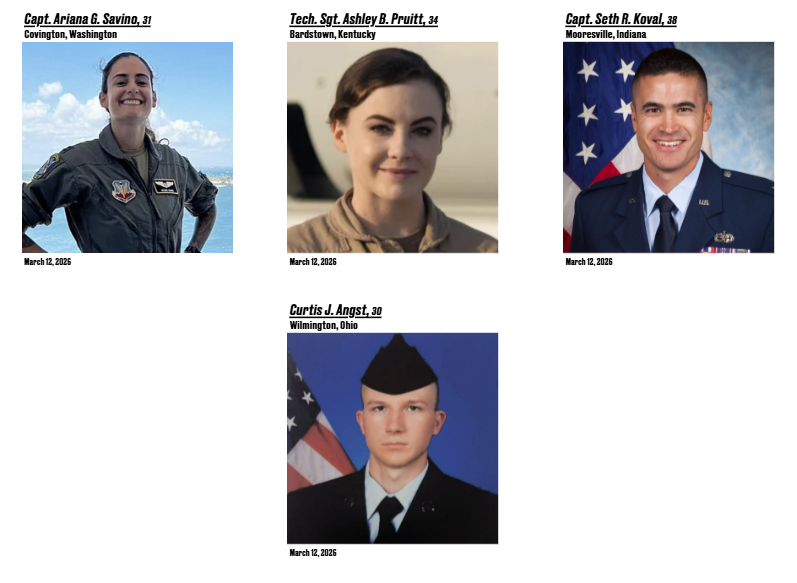
Iran carried out attacks against U.S. bases in the Middle East in the days following the start of joint Israeli-American strikes on February 28. Thirteen U.S. soldiers were killed instantly as a result of these events, including Army reservists stationed at a military facility in Kuwait.
U.S. officials have reported no new casualties; however, the Department of Defense (the Pentagon) indicates that 365 members of the armed forces have been injured during combat operations since the outbreak of the war.
Furthermore, two U.S. aircraft—including an F-15E fighter jet—were shot down over Iranian airspace this week. One of the fighter pilots was rescued, while the other remains missing; neither the Department of Defense nor the White House has yet publicly commented on this situation. Instead, the President spent Saturday morning launching a scathing attack against the New York Times on social media.