
Trump Lets Slip Eyebrow-Raising Admission on His Failing Economy
He didn’t mean to, but the president revealed his true fear.

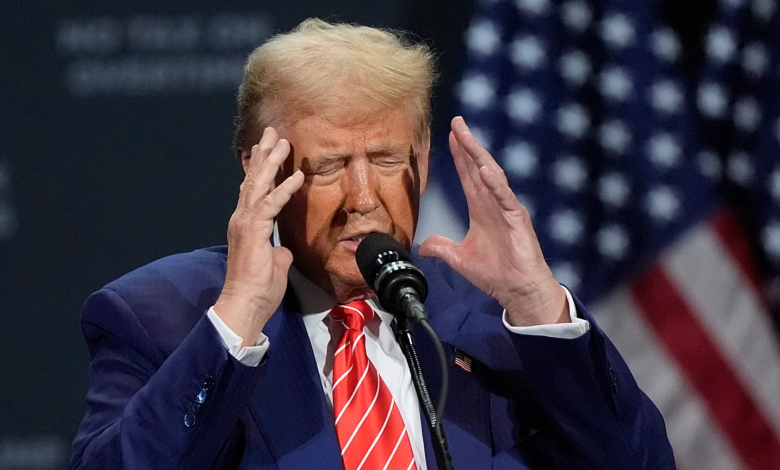
Donald Trump began by touting his economic successes before inadvertently revealing one of the country’s biggest problems.
At a picnic at the White House on Tuesday, attended by members of Congress, the president highlighted his economic achievements, praising record stock market levels, low inflation, and what he called historic labor market figures.
“America’s thriving, America’s winning,” Trump said. “Today we’re the hottest country anywhere in the world.”
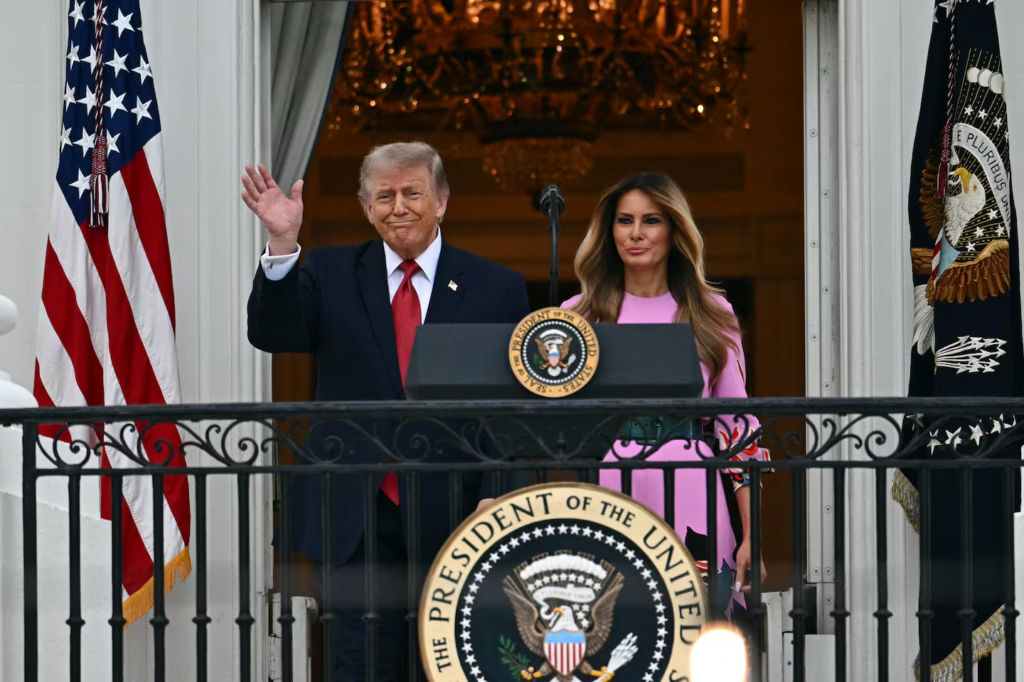
He portrayed his administration as the architect of the economic recovery, taking credit for bringing prices down and reviving growth.
“We inherited high prices and we got the prices down, and we got them down to numbers that in some cases people have not seen before,” the president said.
But amid this economic triumph, Trump appeared to acknowledge a problem that overshadowed his message.
“We have an economy, people aren’t seeing it yet,” he said.

This remark was a surprising admission from a president who had spent the previous minutes insisting that America was “winning” and that its economy had never been stronger.
He said, “Two and a half months ago, we had the best numbers ever recorded for our country. Employment was at its highest. Everything was going great. The stock market was at its highest.”
Then, Trump shifted from boasting about the economy to explaining the sudden need to question those “best numbers ever recorded.”
He said, “I got my team together. I got them together and I said, ‘Congratulations, everyone, but we have to make a short trip to a country called Iran.’”
Trump presented this intervention as a necessary step to prevent Tehran from acquiring nuclear weapons.
He said, “We have to stop them. They’re thinking about getting nuclear weapons, and we’re not going to let them.” “
The president then predicted that the war would be short, reiterating a promise made from the outset.
In March, Trump claimed that US forces could withdraw from Iran in two to three weeks. The war is entering its third month, with ceasefire efforts regularly faltering, while Trump continues to assert that an end is imminent.
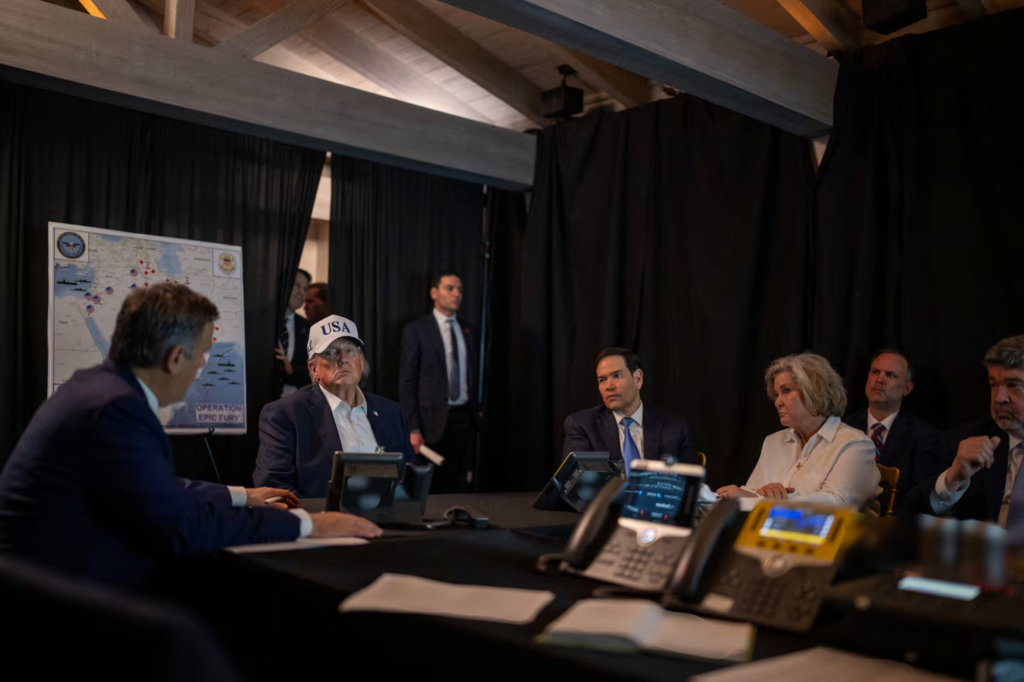
“I think we’ll be done with this very quickly,” Trump said on Tuesday. “They won’t have the nuclear weapon anymore, and hopefully, we’ll end this very peacefully.”
But the economic turmoil that Trump attributes to the war is already reflected in the numbers.
Yields on 30-year US Treasury bonds have reached their highest level since 2007, as investors increasingly fear that rising oil prices and continued unrest in the Middle East could trigger a new wave of inflation.
” Although the stock market has held near its historic highs and unemployment remains relatively low, inflation reached 3.8% last month, its highest level in three years, driven by a sharp rise in fuel prices.
Consumer confidence also declined as Americans continue to grapple with the rising cost of living and uncertainty about the broader economic fallout from the Iran-Contra war.
For Trump, whose political popularity has long been tied to his promises of economic stimulus, the stakes now extend far beyond mere stock market gains.
With the midterm elections approaching, his administration will need to convince voters that the economy’s robust health is not just a facade.