
MAGA Crowd Embarrassingly Cheers for Trump Impeachment
The president’s die-hard fans took a while to understand the question.

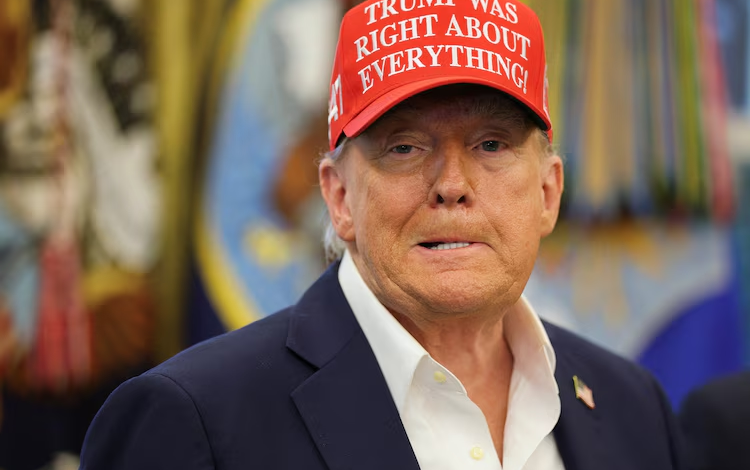
It was supposed to be a simple question—specifically designed to galvanize the MAGA base.
On the third day of the Conservative Political Action Conference (CPAC), Matt Schlapp—a close ally of Trump—asked: “How many of you would like to see impeachment hearings?”
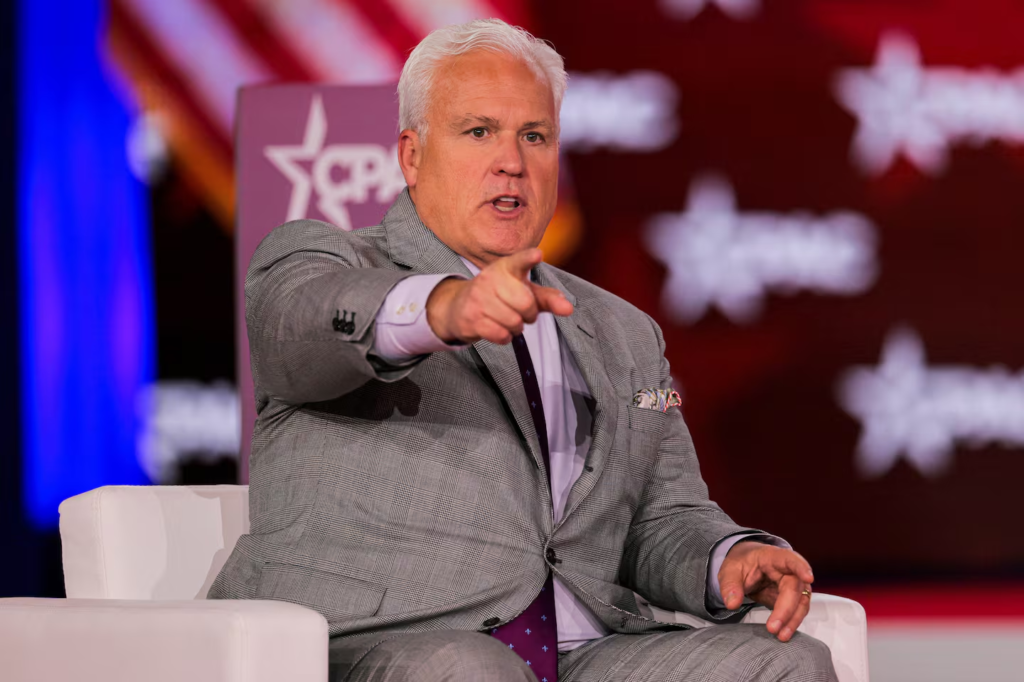
The audience, evidently missing the point of the question, erupted in loud cheers.
“No,” Schlapp replied. “That was the wrong answer.”
He tried again: “How many of you would like to see impeachment hearings?”
The cheering intensified, as Trump’s loyal supporters struggled to grasp that Schlapp was actually asking about the possibility of their favorite president facing investigations led by Democrats, should Republicans lose the midterm elections scheduled for November.
“Nooo!” Schlapp shouted. “Can someone get these people some coffee?”


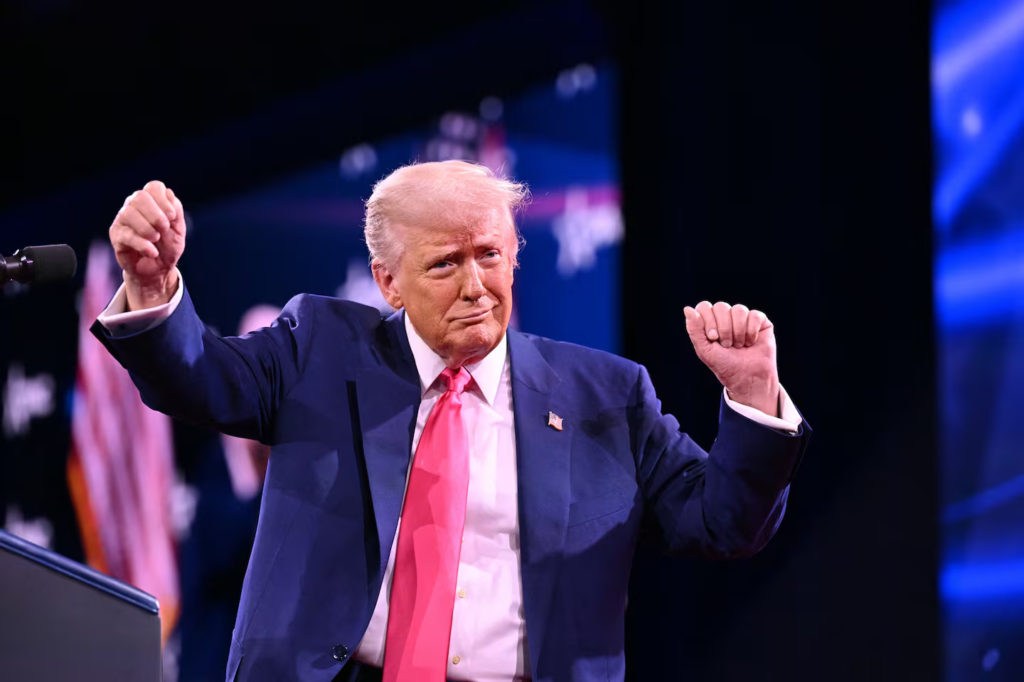
This somewhat awkward exchange sparked a wave of laughter across the room, but it also exposed a deeper problem facing CPAC this year: a sense of confusion, exhaustion, and the conspicuous absence of the conference’s central figure—the President himself.
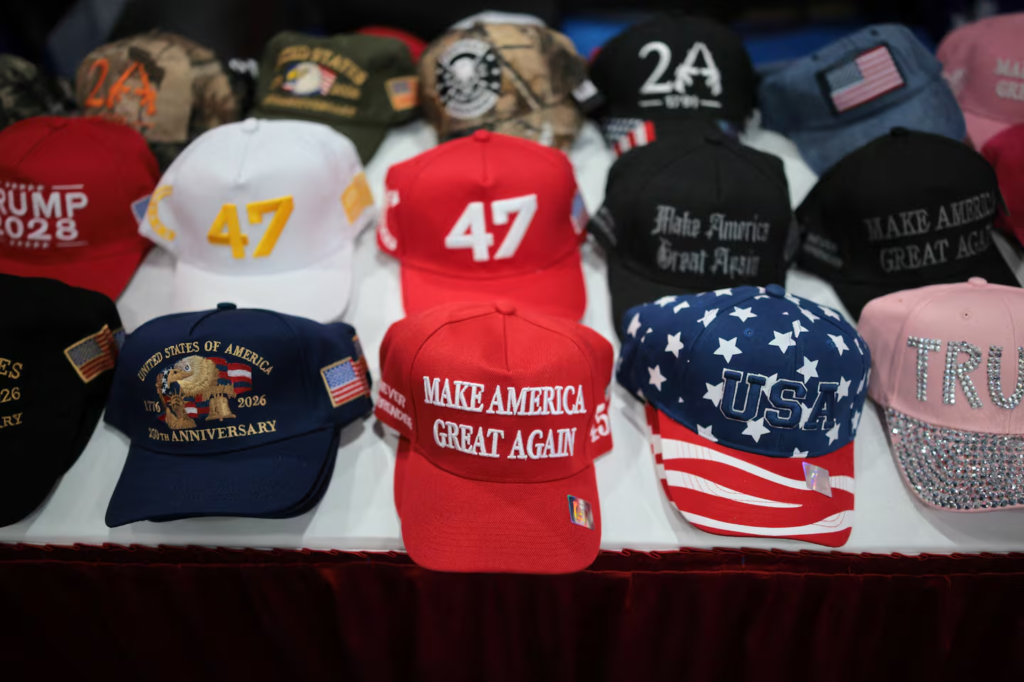
For a gathering that has long served as a de facto campaign rally for Donald Trump, the 2026 edition felt unusually lackluster and devoid of energy.
Schlapp attempted to re-energize the party’s activist base; however, certain moments—such as the confusion surrounding the question of “accountability and impeachment”—served only to reinforce the perception that the movement is adrift and lacking direction as the midterm elections approach.
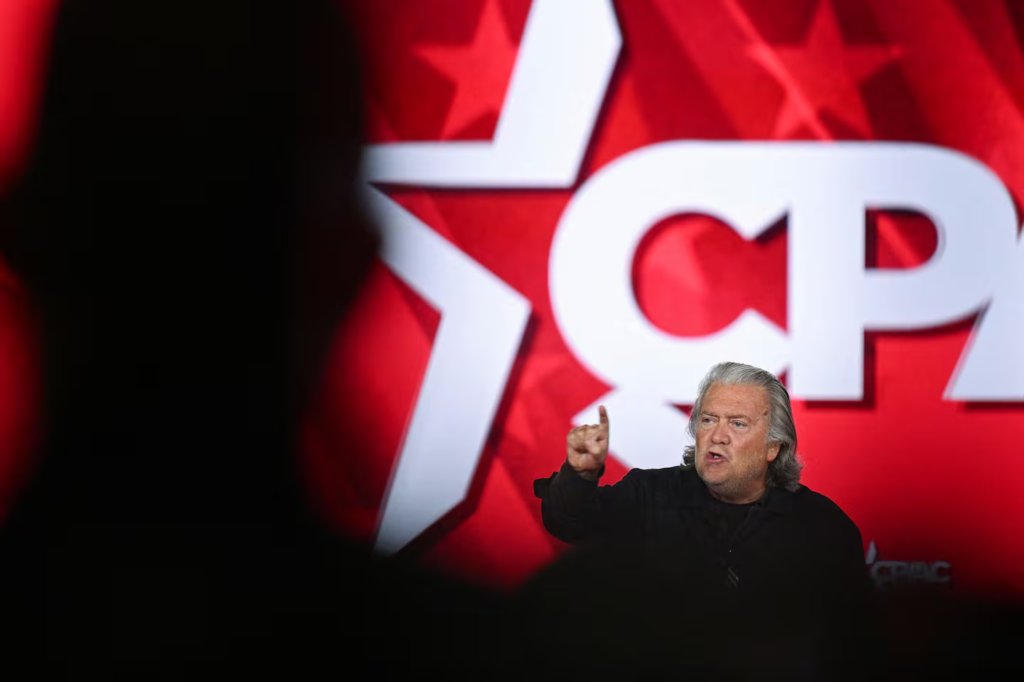
“This isn’t about Candace [Owens]!” “It’s not about Tucker [Carlson]! It’s not about Megyn Kelly, or Mark Levin, or Ben Shapiro!” Steve Bannon chanted enthusiastically from the stage on Friday, alluding to the personal feuds that have erupted among leading figures of the “MAGA” movement—disputes that have surfaced and played out in the public square over recent months.
He added: “It’s about you! You must draw your own conclusions, weigh and evaluate the facts objectively, think deeply about the trajectory this Republic is taking, grasp the true meaning of ‘America First,’ and carefully examine who your true allies are—and who is merely pursuing their own interests.”
Throughout the CPAC conference over the past few days, concerns regarding the cost of living, a potential war with Iran, and the “Epstein files” have fueled a growing sense of anxiety and unease among Republicans as next year’s midterm elections approach—an election cycle in which all 435 seats in the House of Representatives will be up for grabs, as will one-third of the seats in the 100-member Senate.
If Democrats manage to regain control of the House of Representatives in November, they could stymie Trump’s legislative agenda over the following two years, investigate his activities, issue subpoenas regarding them, and potentially initiate impeachment proceedings against him as well as members of his administration.
Trump himself feels this anxiety with particular acuity; addressing Republicans at a party retreat held in Washington earlier this year, he declared: “You have to win the midterms, because if we don’t… they’ll find a pretext to impeach me.” »
His allies assert that this prospect continues to cast a heavy shadow over Trump, who has already faced impeachment proceedings twice during his first term: the first time in 2019, due to his dealings with Ukraine, and the second in 2021, following the January 6th attack on the Capitol.
In private, his advisors confide that he has never truly overcome the bitterness and sense of injustice stemming from these events; indeed, he frequently returns to them in his speeches and conversations, citing them as proof of what he views as political persecution.
Back on the main stage at CPAC, Schlapp attempted to frame his question in a different light.
He challenged the audience: “We must preserve our majority in the House. How many of you agree with me on this point?”
He added: “We must keep Mike Johnson as Speaker of the House, and we must increase the number of representatives we send to the U.S. House to work toward advancing Trump’s agenda.”
It was only at that moment that the crowd finally grasped the message, erupting into jubilant cheers.